An AfroAtlantic theory of memory, space & personhood
Wòch kase
wòch.
Goud kase goud.
Fighting fire with fire.
theory↓
Queen Mother Dr. Dòwòti Désir
Scholar · Author · Memory worker
Conceptual premise
Space is never
empty.
It is produced through human relationships, histories, power, movement, memory—and through relations between material and immaterial worlds.
This evolving vocabulary places personhood, geography, spirituality, cultural production, and justice in an interdependent field. It asks what becomes possible when the memories, ancestors, histories, and epistemologies that move with people are understood as spatial forces.
Then an exhibition, workshop, procession, landscape, convening, or social intervention does more than represent a world. It becomes a pwen: a charged point from which another relationship to that world can begin.
Representation
≠Activation
That distinction is critical.A vocabulary of memory & space
Six concepts.
One living system.
Open each term to trace how it moves from theory into curatorial, artistic, institutional, and social practice.
01Afromnemonics
Memory · Geography · Ritual
+
DefinitionA methodology and field of inquiry concerned with the production, transmission, spatialization, activation, and transformation of African and Afro-diasporic memory.
In practiceIt shifts attention from representing memory to activating it. An exhibition, procession, monument, archive, landscape intervention, or gathering can become an Afromnemonic device.
02Social Juju
Collective action · Rights · Public space
+
DefinitionThe deliberate animation of material and immaterial environments through collective cultural, political, educational, spiritual, aesthetic, and mnemonic action when human norms are breached.
In practiceBodies, sound, procession, ritual, testimony, law, spectacle, and spatial occupation become media through which absence is made present and public consciousness can move toward justice.
03Cultural Epeirogeny
Movement · Knowledge · Time
+
DefinitionThe slow, large-scale reshaping of cultural terrain through accumulated movements of memory, people, knowledge, ritual, aesthetics, and political consciousness.
In practiceThe curator does not merely move objects between geographic coordinates; cultural work can reveal—or participate in—the movement of the epistemological terrain itself.
04Imprescriptibility
Personhood · Law · Human rights
+
DefinitionThe principle that African and Afro-Indigenous personhood cannot be extinguished by time, displacement, enslavement, colonialism, exclusion, or social invisibility.
In practiceRecovery becomes an obligation, not institutional generosity. Names, graves, citizenship, genealogy, and physical presence may disappear without terminating claims upon memory, history, or justice.
05Afro-Humanism
Dignity · Agency · Flourishing
+
DefinitionA human-centered orientation emphasizing African and African-descended agency, dignity, freedom, ethical responsibility, and flourishing across generations.
In practiceIt asks whether cultural institutions expand the capacity of people and communities to understand themselves, exercise agency, encounter others, and inhabit the world with dignity.
06Fourthspace
Spirit · History · Spatial theory
+
DefinitionA spatial register in which material geography, lived experience, memory, history, metaphysical presence, and Afro-diasporic epistemologies operate simultaneously.
In practiceA gallery, landscape, procession route, or community site may contain historical, political, affective, spiritual, and ancestral geographies at once.
An unfolding arsenal
Memory becomes
socially operative.
- 01Enforced
invisibilityNames a condition of power - 02Droit à la
mémoireEstablishes the right to memory - 03PwenConcentrates transformative potential
- 04KaseBreaks the settled pattern
- 05Social
jujuMakes transformation collective - 06Spatial
justiceReturns authority to shape space
Sites of memory
A geography
that remembers.
More than fifteen years of primary research across the AfroAtlantic: monuments, memorials, natural environments, sites of consciousness, and movements demanding the right to memory.
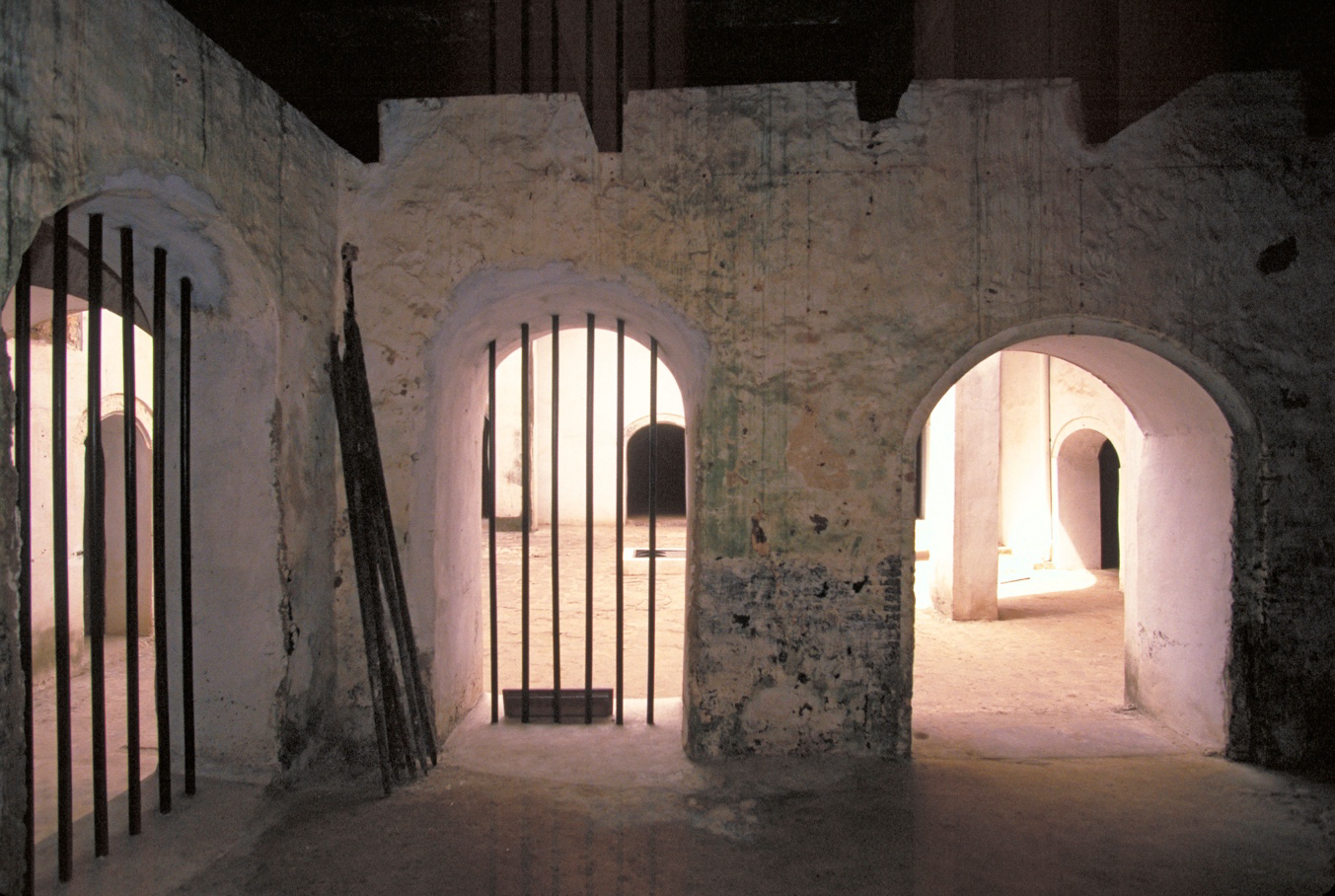

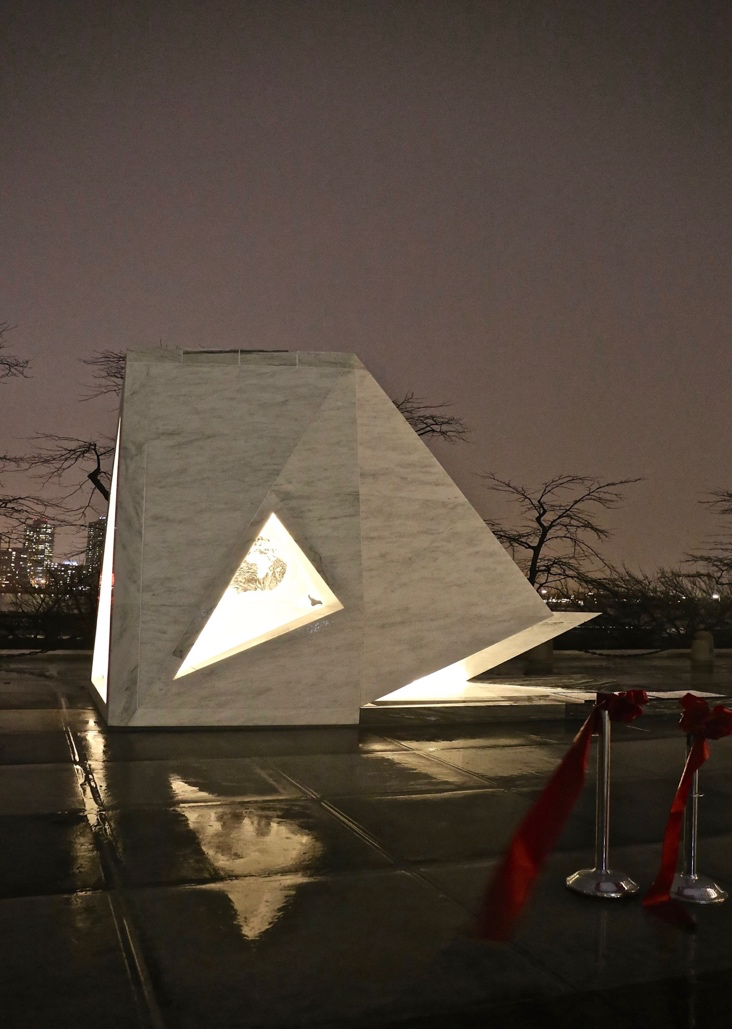
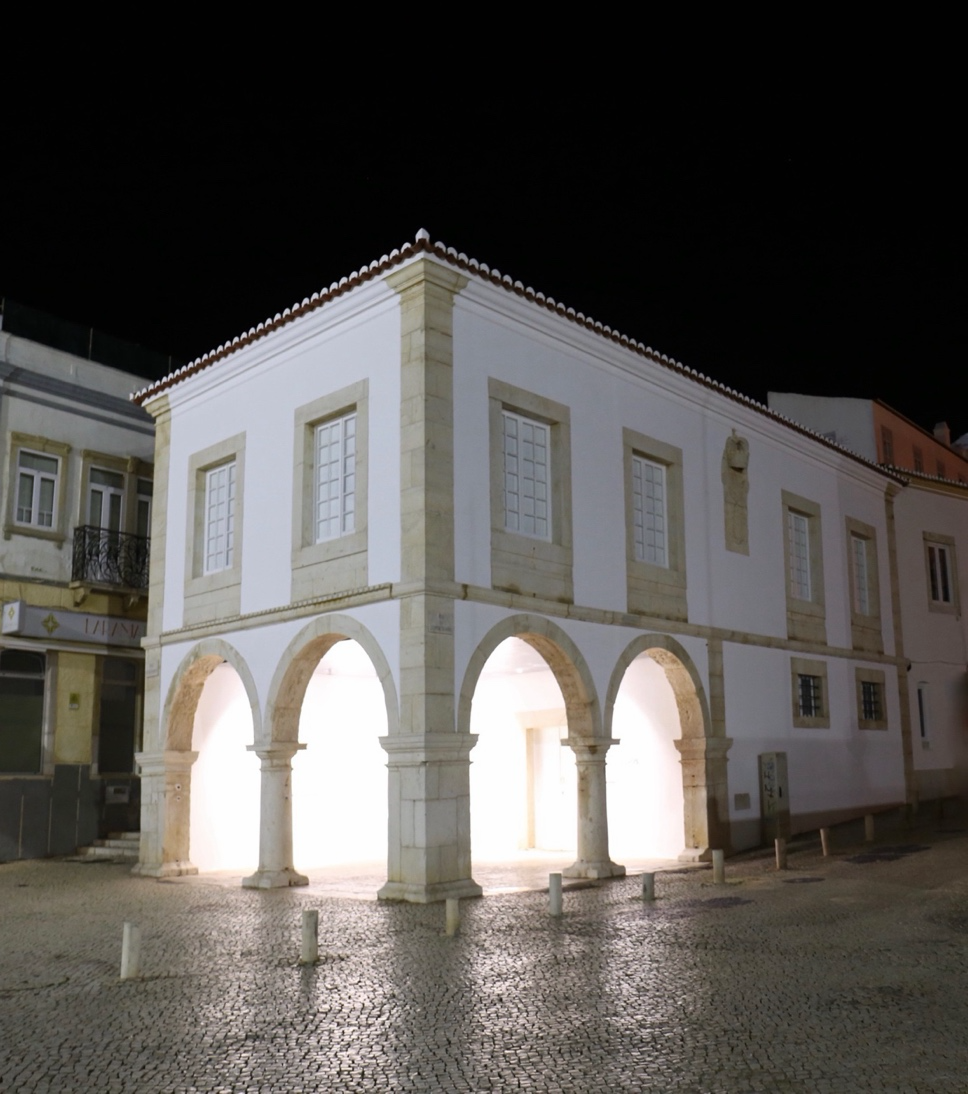
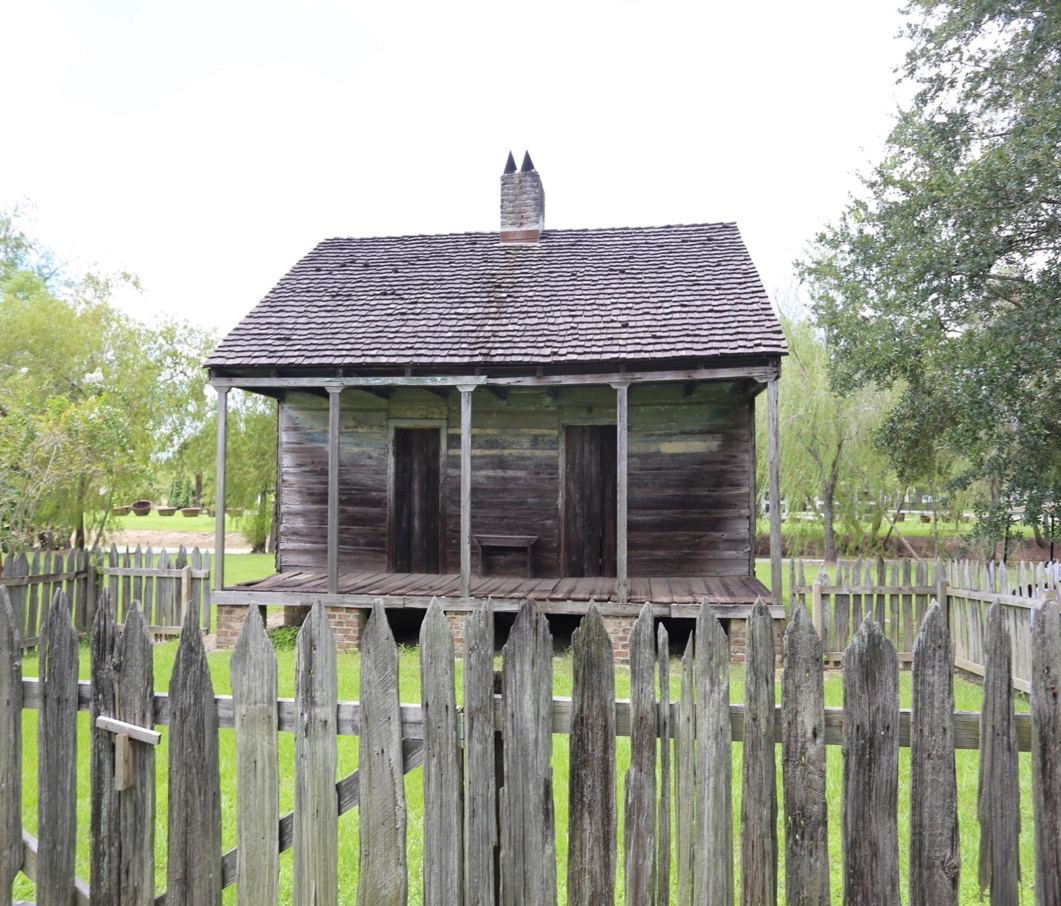

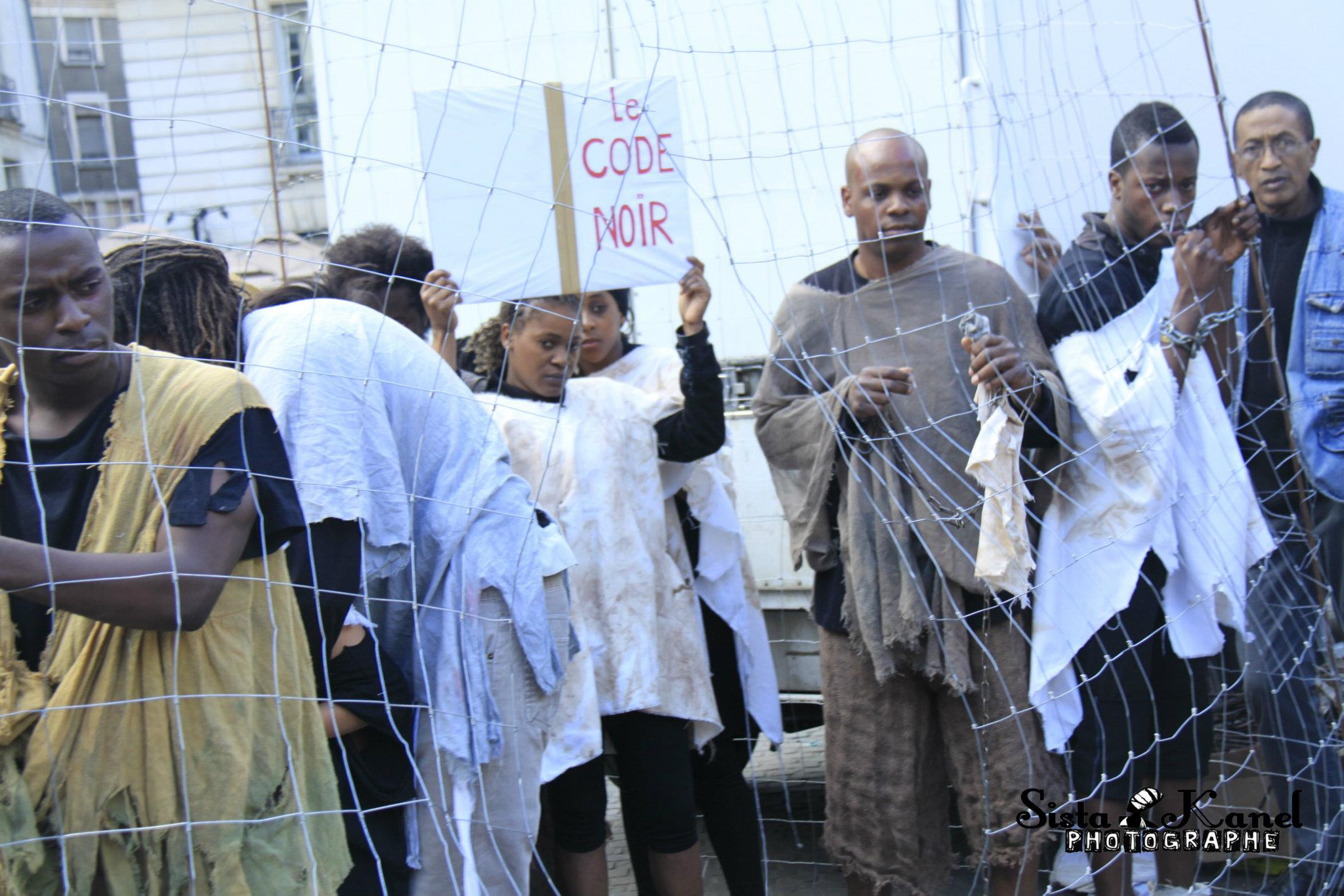
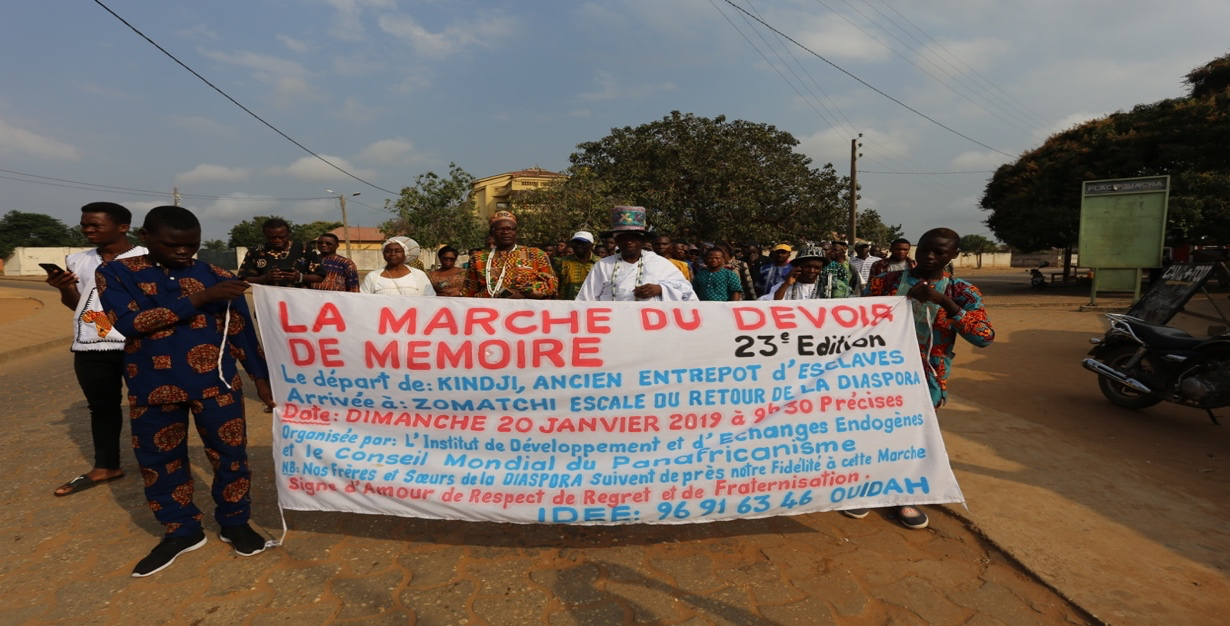
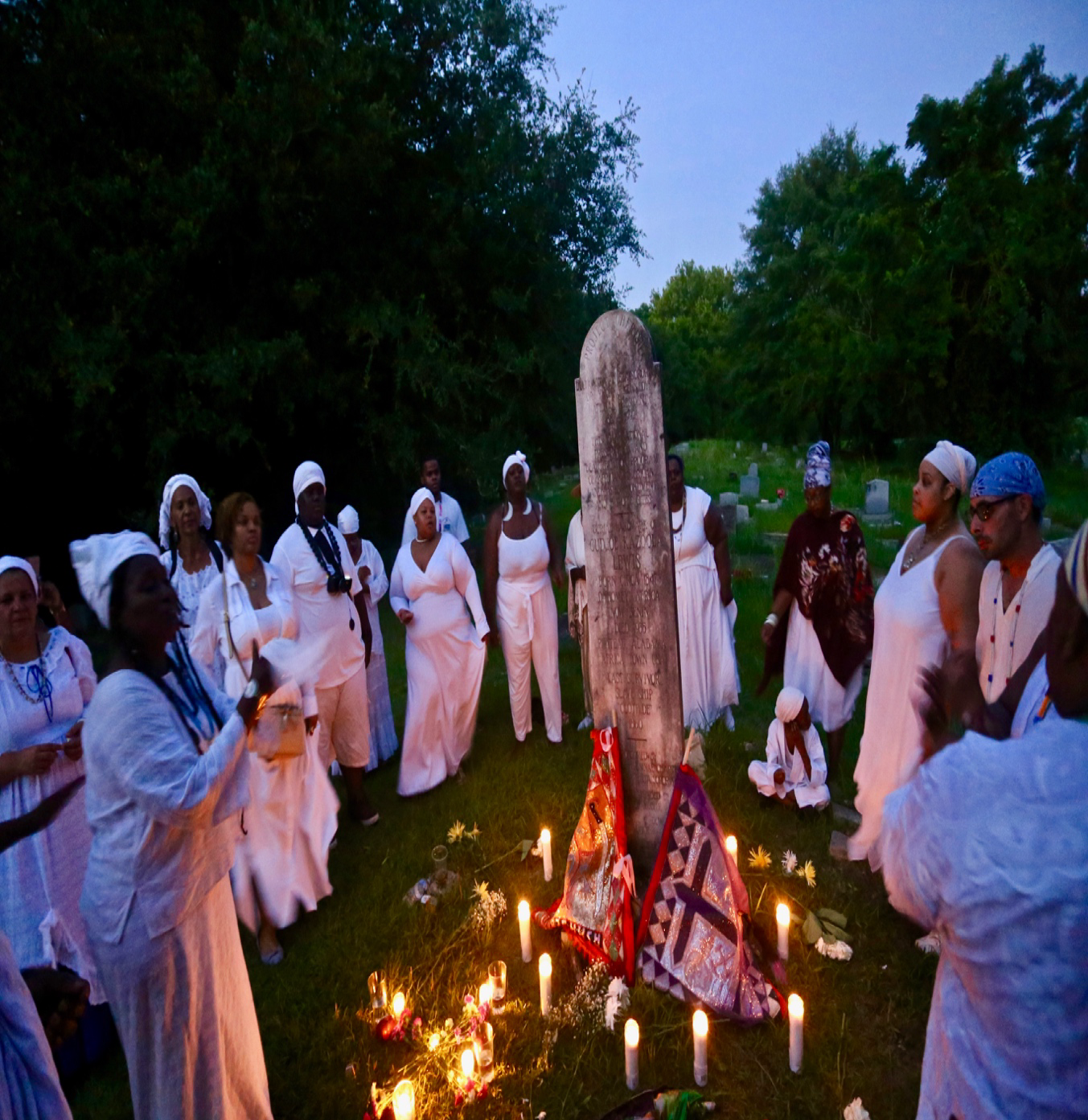
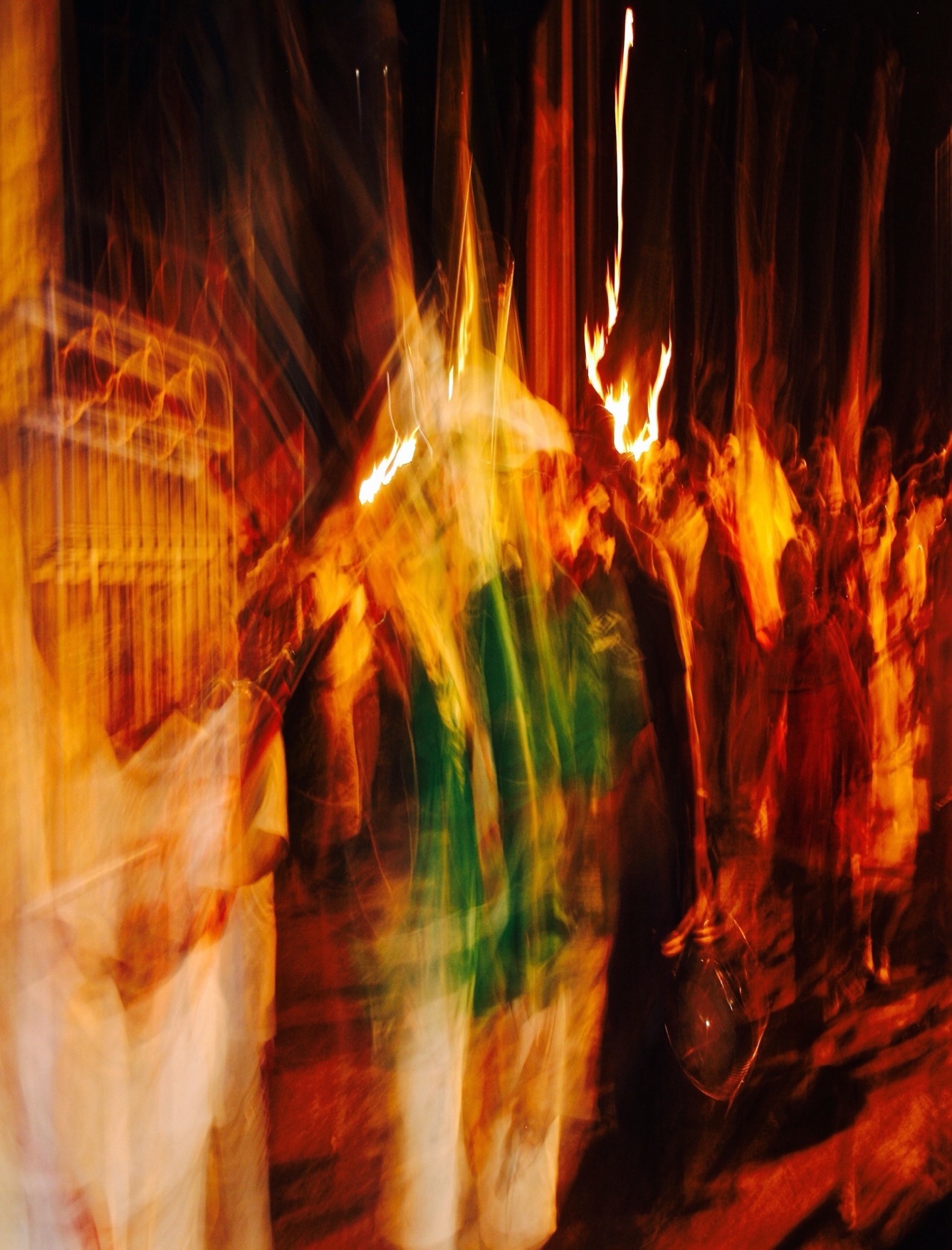
Fourthspace
“What happens when the community participating in a space includes the dead, the not-yet-born, and displaced populations joined through memory?”The Fire Next Time: Konvwa Pou Reparasyon · Senegal, 2018
The scholar
Queen Mother Dr.
Dòwòti
Désir
A scholar, author, artist, and cultural worker theorizing personhood and memory across the AfroAtlantic.
Her work documents the global scale of the Maafa and the people who transform public memory: intellectuals, activists, artists, policymakers, spiritual communities, and those whose sacrifices created new freedoms.
The language gathered here emerges because established theoretical discourse did not fully contain those people, ancestors, and ways of knowing. It is a mother tongue for speaking of memory, spirit, and space—and an invitation to rigorous citation, debate, and continued development.